

Farmers Markets vs. Supermarkets: Where You'll Actually Save
Compare prices, seasonal availability, and bulk options. We break down when farmers markets beat supermarkets and where you're paying a premium for convenience.
We tracked prices across six major Toronto chains for a month. Discover which stores win on specific categories and where you'll actually save the most.

Choosing where to shop shouldn't feel like a guessing game. We're comparing six of Toronto's biggest grocery chains — Loblaws, Metro, Costco, Whole Foods, No Frills, and Shoppers Drug Mart — by tracking the same 50 items across a full month.
We didn't just look at advertised prices either. We tracked loyalty program discounts, sales cycles, and what you'd actually pay in real shopping trips. It's the kind of detailed comparison most people don't have time to do themselves.
If you're buying a standard basket of groceries, No Frills came out ahead by about 12% compared to other chains. That's roughly $15-20 per shopping trip depending on what you buy. It's not glamorous, but the numbers don't lie.
The catch? Selection is smaller and stores can feel dated. But if you're comfortable with fewer options and don't mind generic brands, you'll save real money here. Especially on basics like milk, bread, eggs, and canned goods.
Loblaws stores (including Fortinos and Your Independent Grocer) came in second at about 8% higher than No Frills. Metro fell right in the middle. That's important if you've got multiple stores near you — the difference adds up over a year.
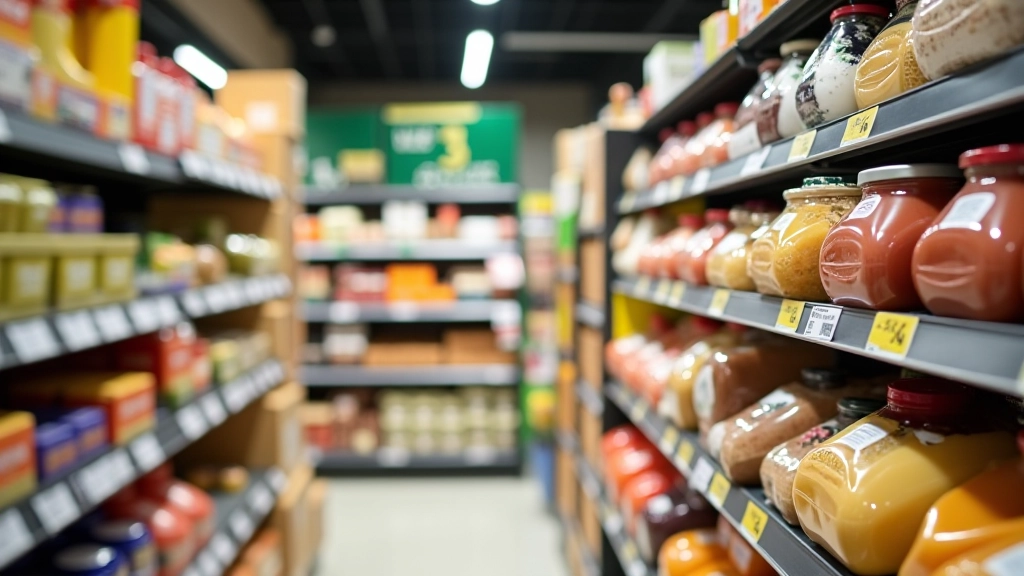
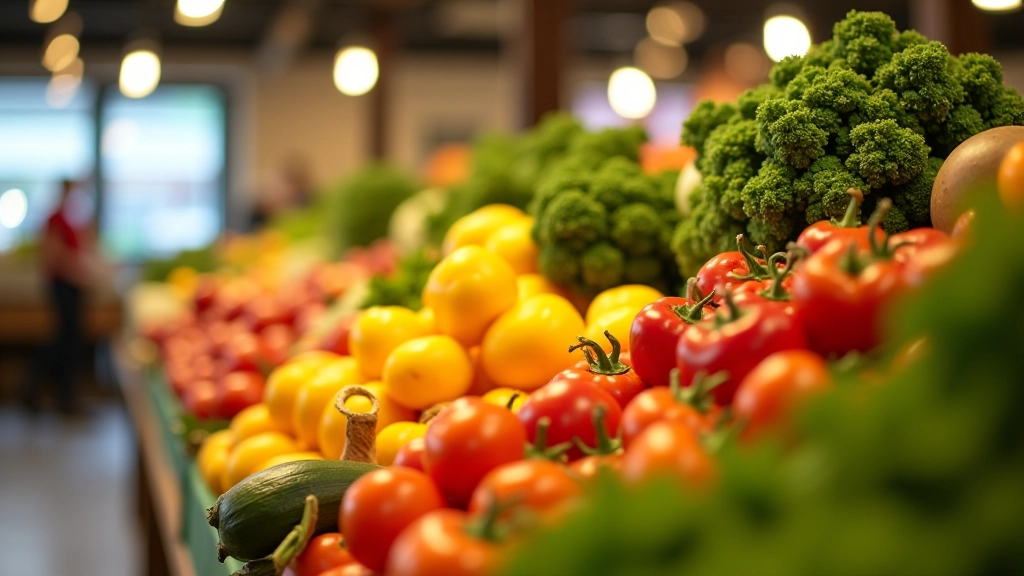
Produce prices bounce around more than anything else. We're talking 30-40% variation between stores on the same week. Apples at No Frills might be $1.29/lb while Whole Foods charges $2.49. That's not a typo.
Here's what we found: No Frills and Metro compete hard on produce, especially on seasonal items. In July, both had excellent deals on berries and tomatoes. Costco's produce is a mixed bag — sometimes incredible value if you're buying for a family of four, other times not worth the bulk quantity.
Whole Foods and Shoppers Drug Mart consistently ran 20-35% higher on fresh items. That's the premium you're paying for the store experience and selection. If you only shop there occasionally, budget accordingly.
Metro and Costco tie here. Costco's bulk packs are cheaper per pound, but you're committing to 5lbs of chicken. Metro's weekly sales on individual portions beat everyone else if you time your shopping right.
No Frills and Loblaws trade wins depending on the week. Milk is about 15% cheaper at No Frills consistently. Cheese and yogurt prices fluctuate more — watch the flyers. Costco requires membership but saves about 20% if you buy a lot.
This is No Frills' domain. Canned goods, pasta, rice, and oils run consistently 10-15% lower than anywhere else. Loblaws has decent sales but you're usually paying full price unless you catch a promotion.
Whole Foods for organic and specialty items. Prices are 25-40% higher than conventional alternatives, but if you need gluten-free, vegan, or organic options, selection is unbeatable.
This article is educational and based on pricing tracked during July 2026. Grocery prices change weekly and vary by location within Toronto. Loyalty program benefits, sales cycles, and promotional offers shift regularly. Use this guide as a framework for comparison, not as fixed pricing data. Your actual savings will depend on your shopping habits, which stores are near you, and current promotions. Always check current flyers before shopping.
Here's what matters most: you don't have to pick one store and stick with it. The families we know who spend the least actually split their shopping. They'll hit No Frills for pantry items and dairy, Metro for weekly produce deals, and maybe Costco once a month for bulk proteins.
Yes, this takes more planning. But we're talking about saving $50-100 per month, which is $600-1200 a year. That's real money. Download the flyers from two or three chains you're closest to, spend 10 minutes comparing what's on sale that week, and plan your meals around those deals. You'll notice the difference on your bill.
Loyalty programs do matter, but they're not reasons to stay at an expensive store. Use them where you shop anyway. Don't let points keep you from saving actual dollars.
Editorial Team
Written by the Budget Basket Canada editorial team, focused on practical, honest grocery budgeting guidance for Canadian families.
Compare prices, seasonal availability, and bulk options. We break down when farmers markets beat supermarkets and where you're paying a premium for convenience.
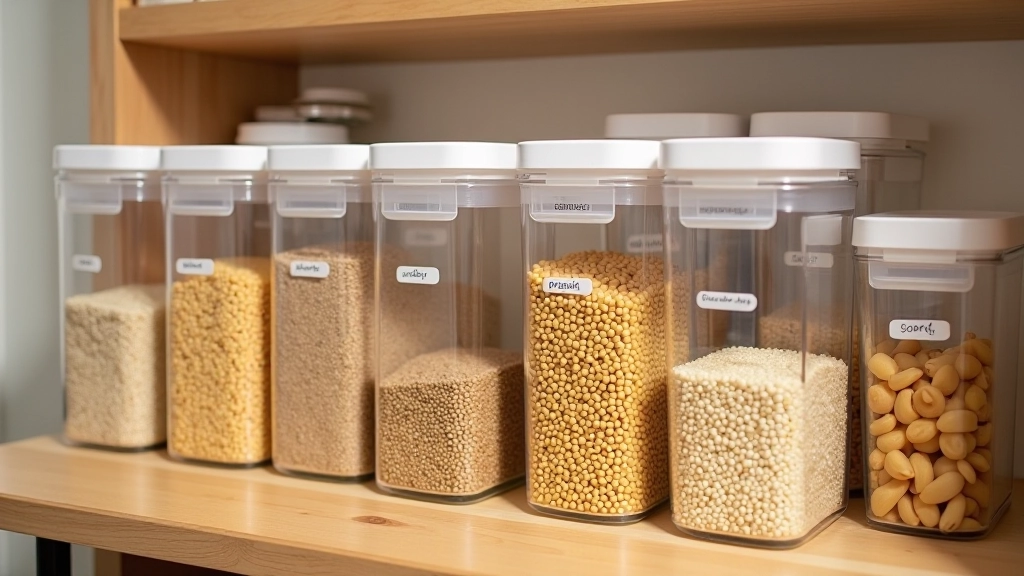
Not everything makes sense in bulk. We've tested the math on 20 common items. Find out which bulk purchases actually save you money.
A step-by-step approach to planning meals around sales and what you already have. Reduce waste while eating well.