
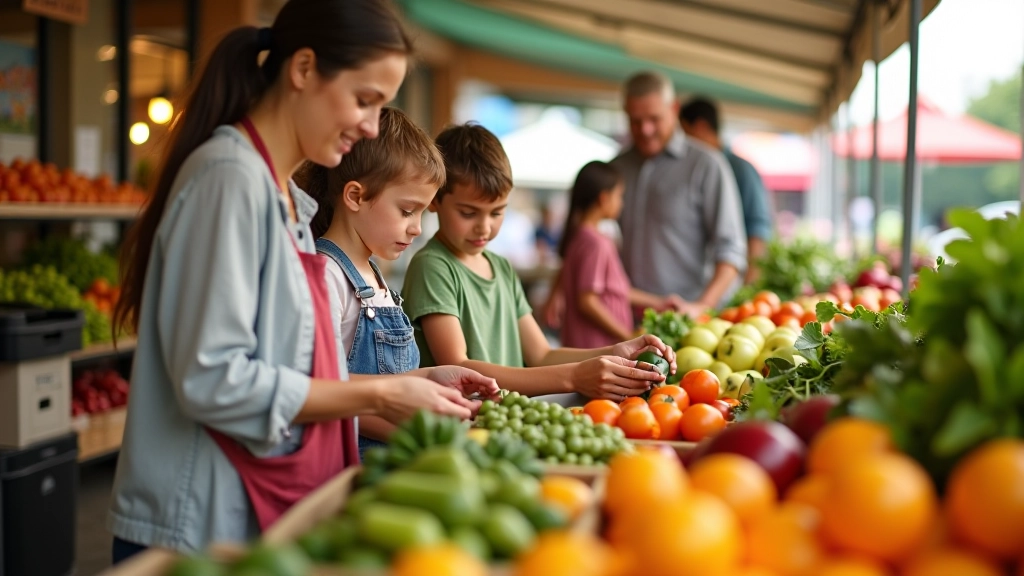
Farmers Markets vs. Supermarkets: Where You'll Actually Save
Compare prices, seasonal availability, and bulk options. We break down when farmers markets make sense and when supermarkets win on value.
Not everything makes sense in bulk. We've tested the math on 20 common items. Find out which ones genuinely save money and which ones don't.
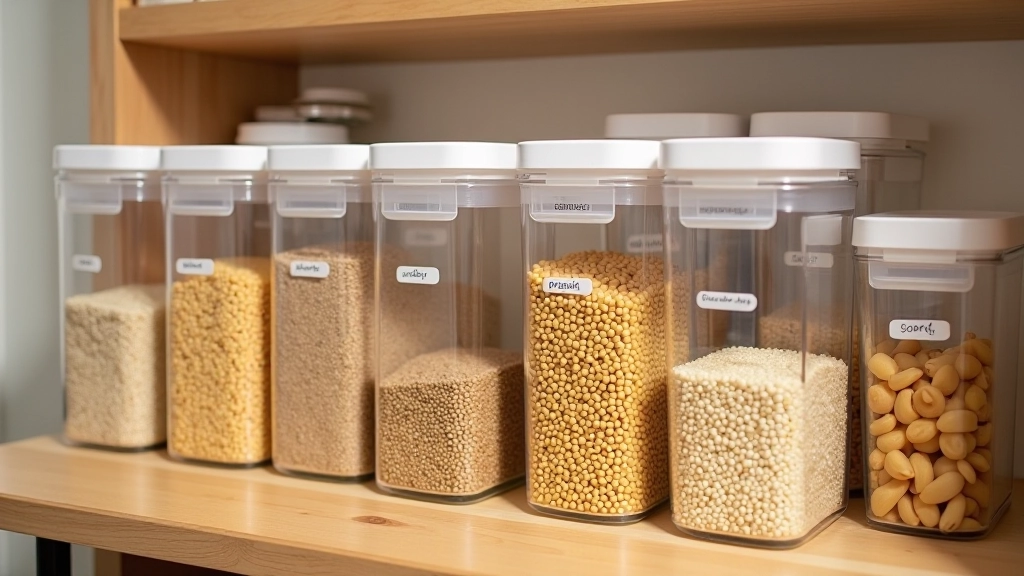
Bulk buying seems like an obvious money-saver. Bigger package, lower per-unit price — right? Here's the thing though: that math doesn't always work. We've spent the last month comparing unit prices across Costco, Walmart, and local grocery chains. The results surprised us.
Some bulk purchases save you 30-40% compared to regular-sized items. Others? They're actually more expensive than buying standard sizes. And there's a third category that'll sit in your pantry until it expires because you bought way too much.
We found five categories where buying bigger packages makes real financial sense.
The math is straightforward here. A 2kg bag of basmati rice at Costco costs about $8. The same rice in a 500g box at a regular grocery store? $3.50. That's $14 per kilogram versus $7. You'll use it, it keeps for months, and the savings add up fast.
Typical savings: 35-45%
Olive oil, canola oil, vinegar — these are staples that last. A 2L bottle of canola oil costs roughly $10-12 at Costco, versus $5-6 for a smaller bottle at the supermarket. But you're buying less frequently, and the per-liter cost is genuinely lower. These won't spoil if stored properly.
Typical savings: 25-35%
Frozen broccoli, peas, and ground beef in bulk sizes make genuine sense. They've got a long freezer life, you use them regularly, and the per-pound savings can hit 30%. Buy what your family will actually eat within a few months, and you're golden.
Typical savings: 28-40%
Block cheddar, mozzarella, and Greek yogurt in larger quantities save money if you're buying what you'll consume. A 500g block at Costco is usually 20-25% cheaper per gram than smaller blocks. Freeze what you won't use right away — it thaws fine for cooking.
Typical savings: 20-30%
Canned tomatoes, beans, almonds, and coffee beans all store well. Buy them on sale in bulk, and you're locking in a lower price. A 2kg bag of whole coffee beans at Costco runs $25-28, while regular grocery stores charge $40+ for the same quantity. The difference compounds if you drink coffee daily.
Typical savings: 30-50%
These five categories have tricky math. You think you're saving, but you're not.
Buying large quantities of fresh vegetables and fruit is a trap. You can't eat a 3kg bag of spinach before it wilts. A 5lb box of berries expires in days. Yes, the per-pound price is lower, but it doesn't matter if you're throwing half of it away. Stick with what you'll eat within 3-4 days.
Those bulk-size containers of cookies, bread, and bakery items go stale faster than you think. The per-unit savings vanish when you're tossing moldy bread after a week. Buy smaller quantities that your family will actually finish.
That 5-pack of artisan pasta you'll maybe use once? The bulk spice you don't cook with often? The savings aren't worth it. You're paying upfront for items that sit unused, taking up space. Buy these in regular sizes or when you actually need them.
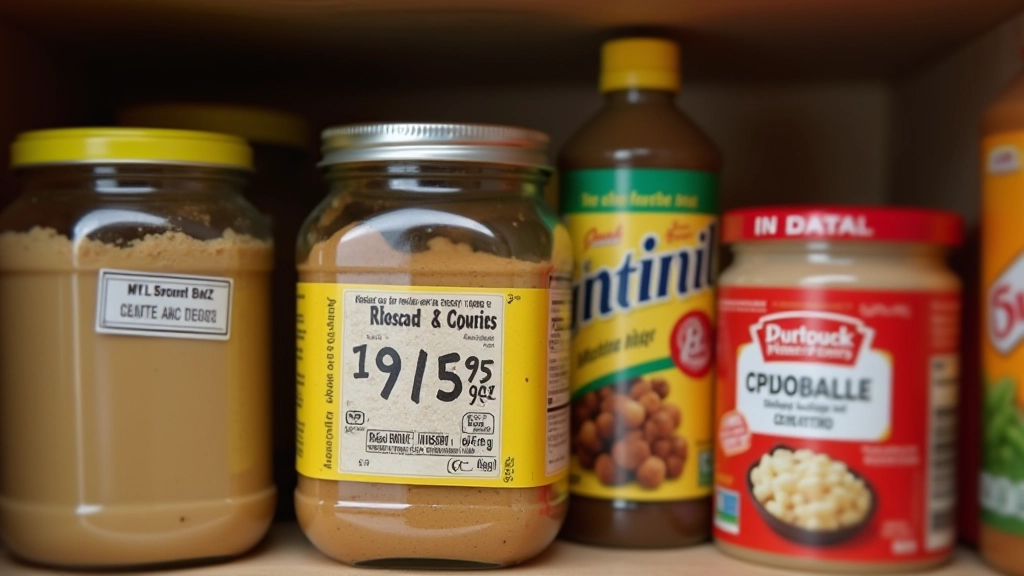
Here's the calculation you need to do before buying anything in bulk.

The formula is simple: multiply how much you'll actually use per month by 12. That's your annual consumption. Then compare the bulk price against the regular price for that annual amount.
Example: You drink about 1kg of coffee per month. That's 12kg per year. A 2kg bag at Costco is $28. You'd need 6 bags annually = $168. A regular 250g bag at the supermarket costs $6, so 48 bags annually = $288. The bulk math saves you $120. But if you only drink coffee occasionally and that 2kg bag sits for a year, the beans go stale, and you've wasted $28.
The key question: Will this item be used up before it expires? If yes, calculate the savings. If no, don't buy it in bulk.
Make bulk buying work for your family's budget and lifestyle.
Label everything when you bring it home. Seriously. Use a permanent marker on the package or create a simple inventory list on your fridge. You'll know exactly what needs using first.
Most meats, vegetables, and even bread freeze beautifully. Portion them out in freezer bags so you're not thawing a huge container for a single meal. It extends shelf life by months.
Always check the per-kilogram or per-liter price on the shelf label. Some "bulk" packages aren't actually cheaper. The stores rely on you not doing the math. Don't fall for it.
Bulk items on sale are where the real savings happen. A 2kg bag of rice at 20% off is far better than regular bulk pricing. Check the store flyer before you shop.
Don't buy a year's worth of pasta if you have a tiny pantry. Overflow storage in closets or under the bed isn't practical. Realistic storage = realistic bulk buying.
Can't use a 5kg box of cheese? Split it with a neighbour or friend. You both get the bulk savings without the waste. We've done this with fresh berries and meats.
This article is educational only and is not financial or investment advice. Outcomes are not guaranteed and may vary. Bulk buying savings depend on your specific consumption patterns, local prices, and storage capacity. Prices mentioned were accurate as of July 2026 and may have changed. Always compare unit prices at your local stores before making bulk purchases.
Bulk buying isn't inherently good or bad. It's about matching the purchase to your actual needs. We've found that families save the most money when they're strategic — buying staples they use regularly, skipping fresh items, and doing the per-unit math before checkout.
That 30kg bag of something-or-other isn't a deal if you end up composting half of it. But a 2kg bag of rice you'll use within 3 months? That's the kind of bulk buy that actually works. Do the calculation, check the expiry, and buy with intention.
Want more grocery budget strategies? We've got guides on meal planning that cuts food waste and comparing Toronto grocery chain prices.
Read Our Meal Planning Guide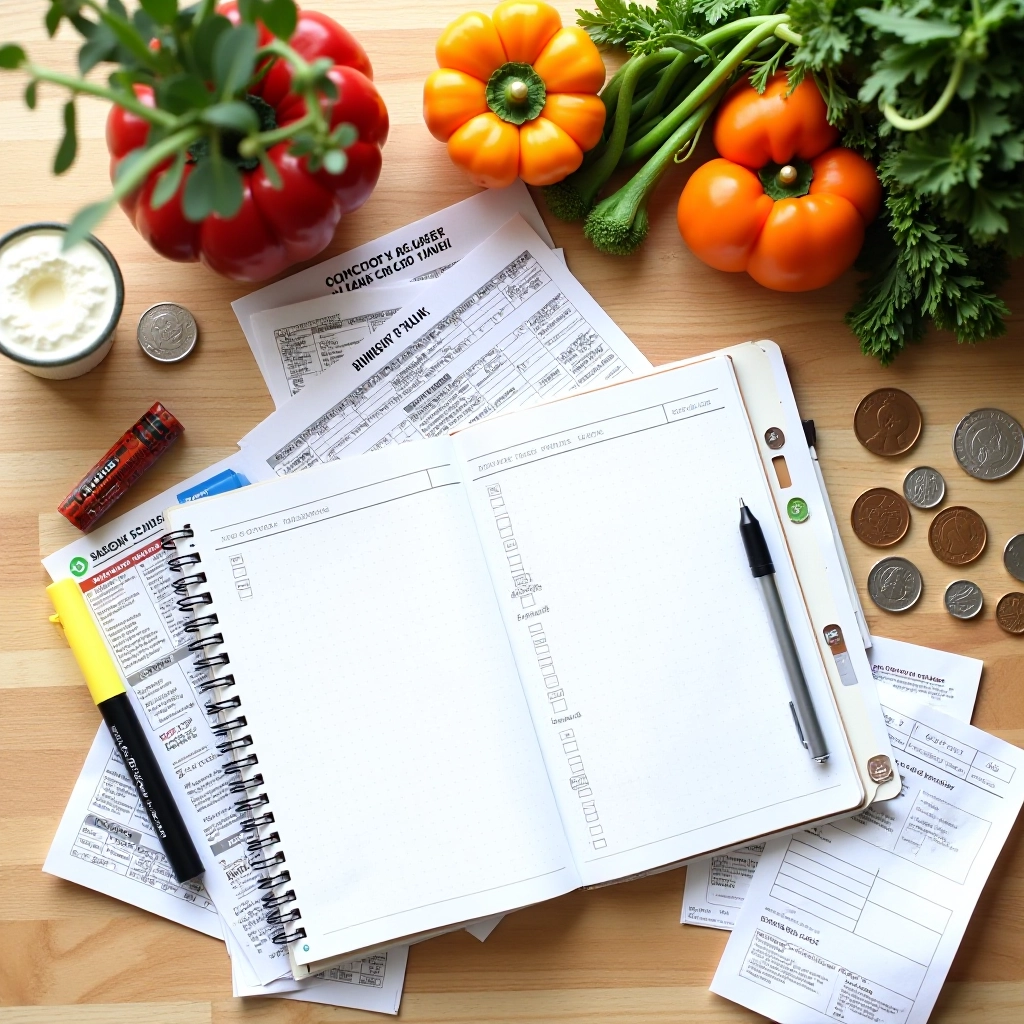
Editorial Team
Written by the Budget Basket Canada editorial team, focused on practical, honest grocery budgeting guidance for Canadian families.
Compare prices, seasonal availability, and bulk options. We break down when farmers markets make sense and when supermarkets win on value.
A step-by-step approach to planning meals around sales and what you already have. Reduces food waste and cuts your grocery bill.

We tracked prices across six major Toronto chains for a month. Discover which stores offer the best value for your regular groceries.