

Farmers Markets vs. Supermarkets: Where You'll Actually Save
Compare prices, seasonal availability, and bulk options. We break down when farm markets make sense and when the chain store wins.
A step-by-step approach to planning meals around sales and what you already have. Most families see 20-30% less food waste within weeks.
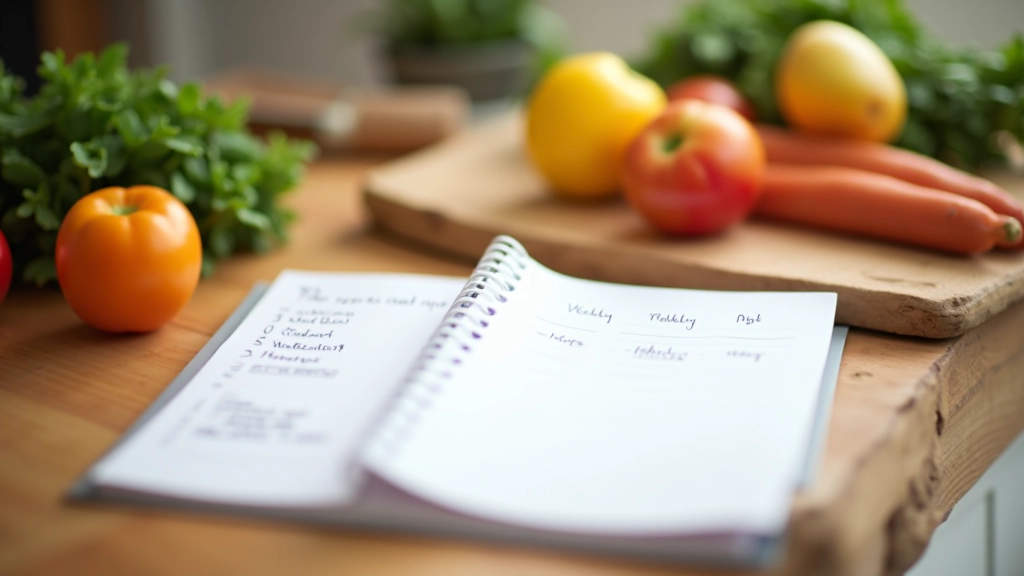
Here's what we've learned after tracking dozens of families: expensive meal plans don't work. The ones that do? They're built around three things — what's on sale this week, what's already in your fridge, and realistic meals you'll actually cook.
You don't need to plan perfectly. You don't need fancy apps. What you need is a system that bends to your reality, not the other way around. This guide walks you through the exact process we've seen work for Toronto families saving $40-80 per week.

Before you look at sales flyers, open your fridge and freezer. Write down proteins, vegetables, and grains you already own. Most families find enough for 2-3 meals right there. That's your starting point — you're not buying more until you've used what you've got.
Check your grocery store's flyer on Tuesday. Most Canadian chains rotate sales weekly. You're looking for proteins under $5/lb and vegetables under $2. Build your remaining meals around those items. Don't fight the sales — let them guide your plan.
Pen and paper beats any app we've tested. Write your seven meals, then list every ingredient you need to buy. Cross off what you already have at home. Go to the store with that list. Don't add anything else. Seriously.
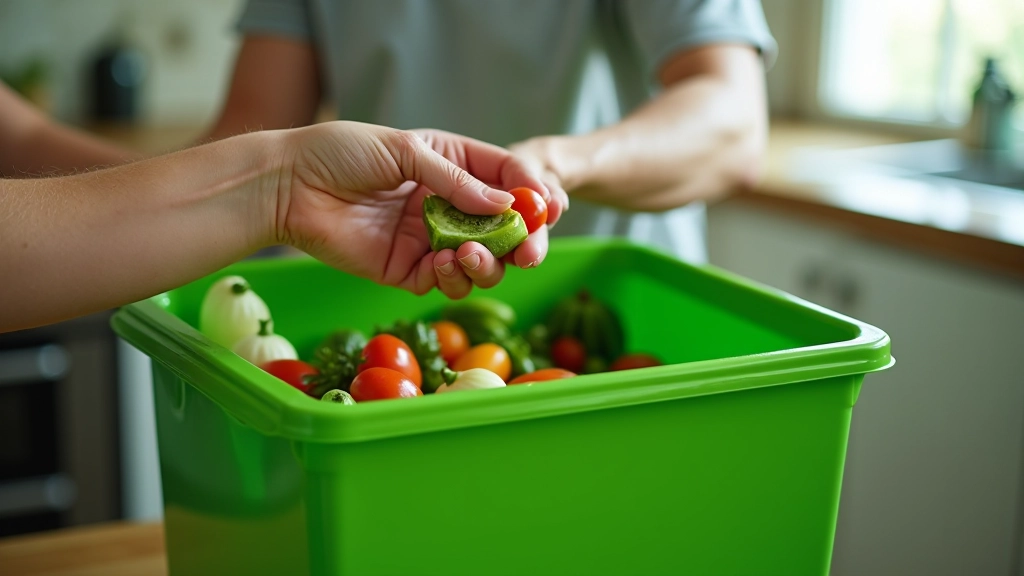
You know what kills budgets? Wilted lettuce. Chicken that expires Thursday when you planned it for Friday. Half a can of tomato sauce you forget about. It's not the big purchases — it's the stuff that quietly rots in your fridge.
The meal plan cuts waste because you're only buying what you'll use this week. But there's more to it. You've got to actually think about prep and storage.
This is what an actual week looks like when you follow the system. We're using Toronto grocery prices from June 2026. Your prices may vary slightly, but the structure stays the same.
Ground turkey ($2.99/lb, buy 1.5 lbs), taco seasoning (you have), canned tomatoes ($0.79), lettuce, cheese. Serves 4 people twice. Cost: $8.
Chicken breasts ($4.49/lb, 1.5 lbs on sale), frozen mixed vegetables ($1.99), soy sauce (you have), rice (cooked Sunday). Cost: $8.
Ground beef ($3.99/lb, 1 lb), pasta ($0.89), jar marinara ($1.50), frozen broccoli ($1.49). Cost: $8.
Leftover ground beef, canned beans ($0.69 each, buy 3), onion ($0.50), spices (you have). Makes two big batches. Cost: $4.

Seriously. Digital apps make you overthink. Paper forces you to keep it simple. Write your meals, write your list, done.
Most Toronto chains post weekly flyers online. Check Tuesday nights. You're looking for sales that make you say "oh, that's a good price" — not just any sale.
Proteins bought on sale today = dinner ready next week. Most people have freezers they barely touch. This system makes you use it.
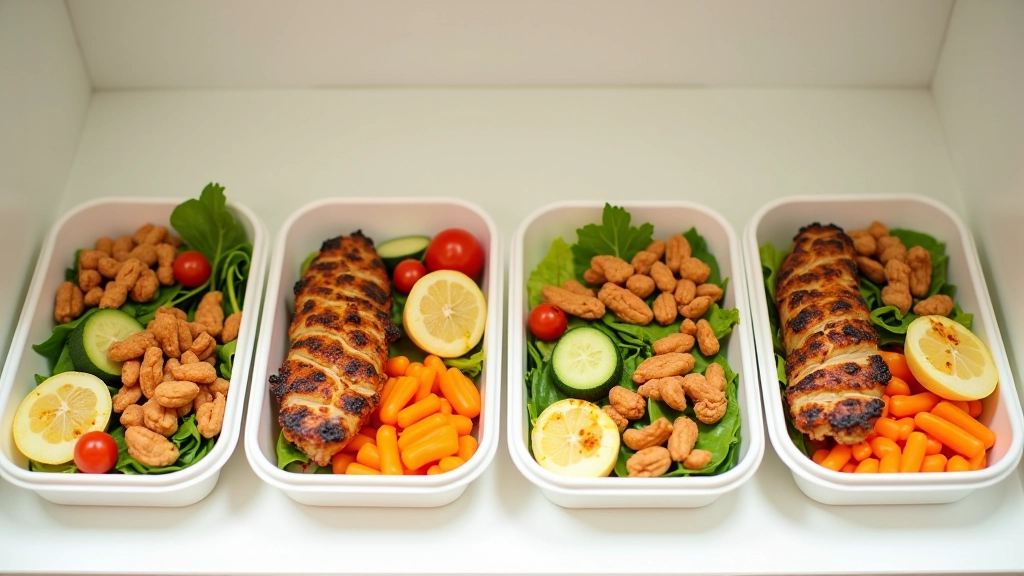
Four to six containers for cooked grains and prepped vegetables. You don't need fancy meal prep sets. Dollar store containers work fine.
Cook grains, chop vegetables if you want to. Mostly you're just organizing what you bought. This is prep, not cooking every meal.
If tacos are on sale and you like tacos, have tacos twice that week. Repetition isn't boring — it's efficient. And cheap.
This article is educational only and is not financial or investment advice. Outcomes are not guaranteed and may vary. Actual grocery prices, sales, and availability differ by location, store, and time period. Use this guide as a framework and adapt it to your local grocery prices, dietary needs, and family preferences. Results shown are based on typical Toronto-area grocery prices from 2026 and may not apply to your situation.
The families we've talked to who actually stuck with this system? They noticed changes within 3-4 weeks. Less food thrown away. Fewer "what's for dinner" panic buys. And yeah, they're spending less money.
It's not because they're naturally organized or disciplined. It's because the system removes the hard parts. You're not fighting your habits — you're working with them. You're buying less because you're only buying what fits the plan. You're wasting less because you're only buying what you'll eat.
Grab a pen tonight. Look at next week's grocery flyer. Open your fridge. That's where you start. The rest is just following the steps.
Ready to see how this works with actual Toronto grocery prices?
Check Which Chains Have the Best Prices This Week
Editorial Team
Written by the Budget Basket Canada editorial team, focused on practical, honest grocery budgeting guidance for Canadian families.
Compare prices, seasonal availability, and bulk options. We break down when farm markets make sense and when the chain store wins.
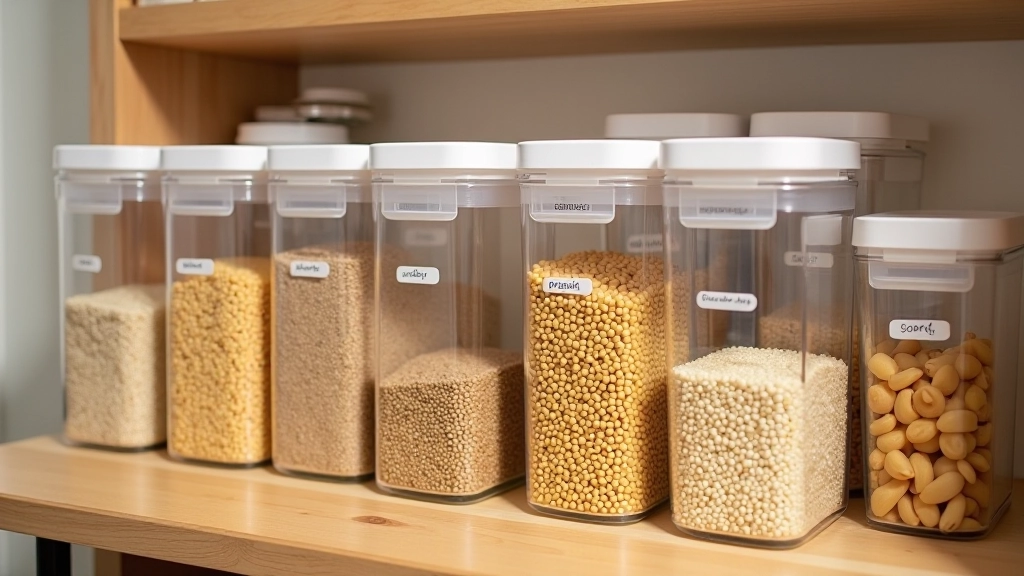
Not everything makes sense in bulk. We've tested the math on 20 common items. Find out what actually saves you money.

We tracked prices across six major Toronto chains for a month. Discover which stores actually have the best deals on what you buy.