
Farmers Markets vs. Supermarkets: Where You'll Actually Save
Compare prices, seasonal availability, and bulk options. We break down when farmers markets beat the grocery store and when they don't.
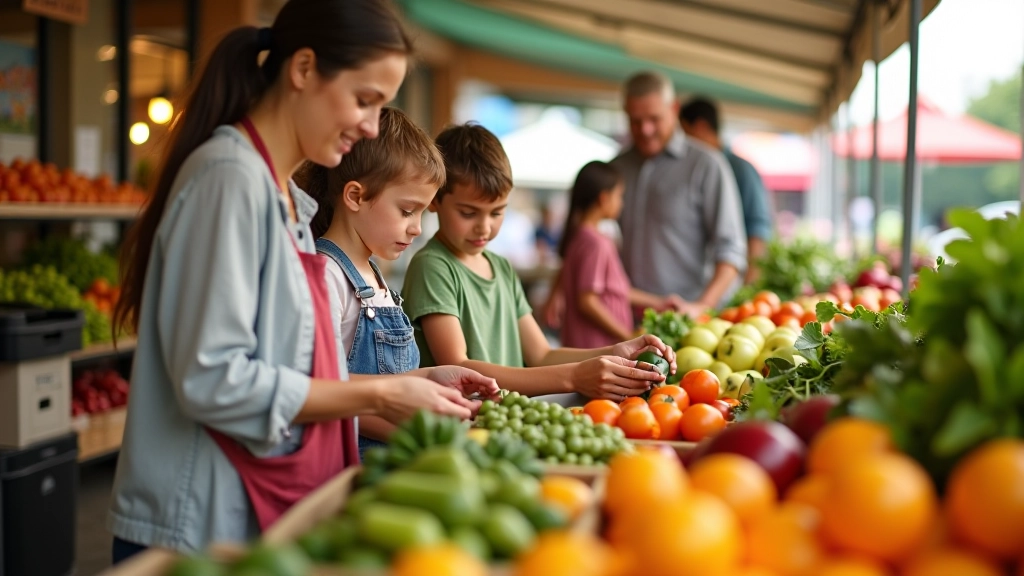
Here's what we hear all the time: farmers markets are expensive, right? That's actually not the whole story. Yes, you'll pay more for heirloom tomatoes in July. But in September? You're getting better deals than your local supermarket chain. The trick is knowing what to buy where — and when.
We spent three months tracking prices at five Toronto-area farmers markets and comparing them against three major grocery chains. What we found surprised us. Some items cost 40% less at the market. Others? You're better off at the store. Let's break down the real numbers.
The Bottom Line
Farmers markets aren't cheaper across the board. They're cheaper on specific items, at specific times of year. That's where we focus.
When Farmers Markets Win on Price
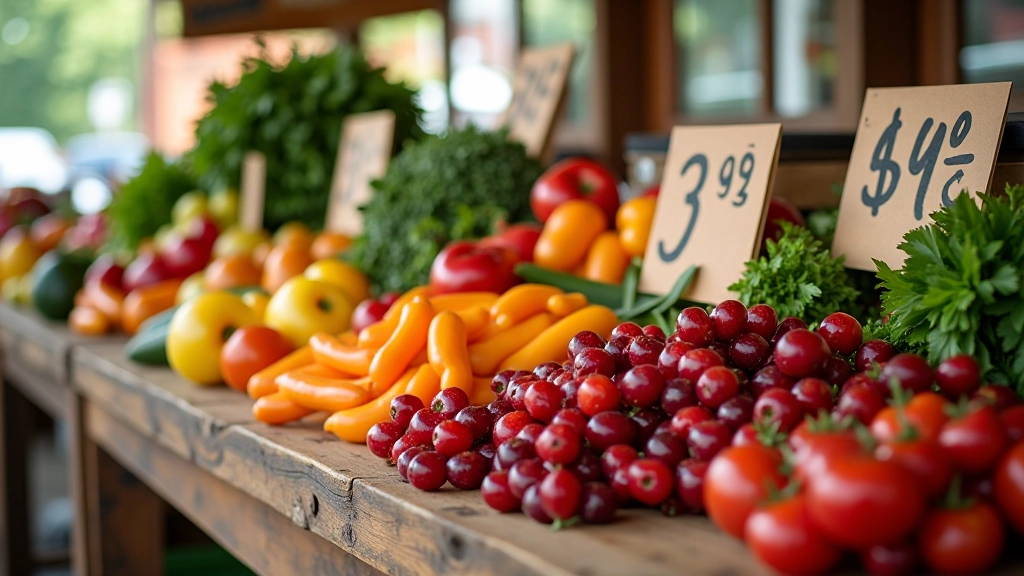
We're talking about produce that's in season. Berries in June. Peaches in August. Apples in October. When these items come directly from local farms to your hands, there's no distributor markup, no shipping cost, no weeks of storage loss.
Our data showed seasonal produce was 25-45% cheaper at markets versus supermarkets. A pint of strawberries in June cost $2.50 at the market, $4.99 at the chain store. That's not a small difference when you're buying for a family.
But it's not just berries. Root vegetables in fall — carrots, beets, potatoes — also beat grocery store prices. And leafy greens in spring. We found fresh spinach bunches at $1.50 that cost $3.49 pre-packaged in the store.
Best Price Wins (Farmers Market)
- Seasonal berries: 35-45% cheaper
- Stone fruits (peaches, plums): 30-40% cheaper
- Root vegetables (fall/winter): 25-35% cheaper
- Fresh greens (spring): 40-50% cheaper
- Herbs (fresh bundles): 50-60% cheaper
When Supermarkets Have Better Prices
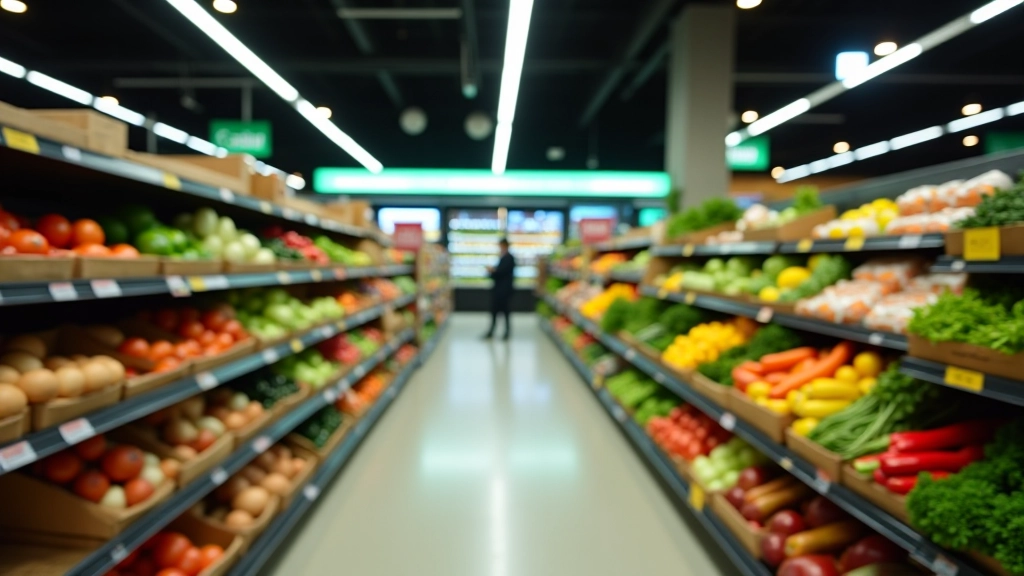
Off-season produce. That's the short answer. In January, you're not buying fresh local tomatoes. You're buying tomatoes shipped from Mexico or California. Farmers market vendors don't stock these items — or if they do, they're marked up because they're out-of-season specialty items.
We compared winter prices and found supermarket chains beat farmers markets on most produce from December through March. A pound of tomatoes in February cost $1.99 on sale at the store versus $3.50 at the market.
There's also the bulk-buying advantage. If you're feeding a family of five and want to buy 20 pounds of potatoes, the supermarket has the volume and pricing structure to make that work. Most farmers market vendors sell by the basket or small bag.
Supermarket Wins (Year-Round)
- Off-season imported produce: consistently cheaper
- Bulk quantities: better per-pound pricing
- Packaged vegetables (frozen, canned): significant savings
- Branded groceries: promotional pricing and loyalty rewards
How to Actually Save Money
The smart approach combines both places, not choosing one over the other.
Plan Around Seasons
Hit the farmers market in summer and fall. That's when seasonal produce savings are real. In winter and early spring, rely more on the supermarket unless you're buying specific items you know are cheap that week.
Talk to Vendors
Farmers market vendors want to move product. Ask about bulk pricing. If you're buying three baskets of berries, they'll often negotiate. You won't get that flexibility at the supermarket.
Check Expiry, Not Just Price
Farmers market produce is fresher, which means it lasts longer. You won't throw away half your spinach because it wilted in three days. That hidden savings adds up fast.
Use Store Loyalty Programs
Most supermarket chains have loyalty cards or apps with digital coupons. You won't get these at farmers markets. Stack them with sales and you're saving 15-20% on certain items.
A Real-World Weekly Shopping Trip
Let's walk through an actual example. It's early August, and you're shopping for a family of four for one week.
At the Farmers Market (Saturday morning)
- Strawberries (2 pints): $5.00
- Peaches (5 lbs): $8.50
- Fresh spinach (2 bunches): $3.00
- Carrots (3 lbs): $2.50
- Zucchini (3 large): $4.00
- Total: $23.00
At the Supermarket (same items)
- Strawberries (2 pints): $9.98
- Peaches (5 lbs): $12.45
- Fresh spinach (packaged, 2 bags): $6.98
- Carrots (3 lbs): $4.49
- Zucchini (3 large): $6.87
- Total: $40.77
That's a difference of $17.77 in one shopping trip. Over a month, that's over $70 in savings. For a family watching their grocery budget, that's meaningful.

Educational Information
This article is educational only and is not financial or investment advice. Prices, availability, and savings vary by location, season, and vendor. Outcomes are not guaranteed and may vary based on your local market conditions and shopping habits. Use this information as a starting point for your own price comparisons in your area.
The Smart Shopper's Approach
You don't have to choose. The families we talked to don't. They shop at farmers markets during peak season when the deals are real, and they hit the supermarket when that makes more sense. It takes a bit more planning, but the savings are worth it.
Start by checking what's actually in season this week. Then compare prices. You'll quickly develop a rhythm — and you'll stop throwing money away on produce that doesn't last or costs twice as much as it should.
That's how you actually save on groceries. Not by shopping at one place exclusively, but by being intentional about where each item comes from.
Ready to Plan Your Weekly Budget?
Check out our guide on meal planning strategies that work with seasonal availability and your local markets.
Read the Meal Planning Guide
Author
Budget Basket Canada Editorial Team
Editorial Team
Written by the Budget Basket Canada editorial team, focused on practical, honest grocery budgeting guidance for Canadian families.
More Budget Hacks
Explore other strategies to stretch your grocery budget further.
Bulk Buying Essentials: What's Worth It and What Isn't
Not everything makes sense in bulk. We've tested the math on 20 common items. Find out which ones actually save you money.
Read Article
Meal Planning on a Budget: The System That Cuts Food Waste
A step-by-step approach to planning meals around sales and what you already have. Reduce waste, save money.
Read Article
Toronto Grocery Prices: Which Chains Offer the Best Value
We tracked prices across six major Toronto chains for a month. Discover which stores actually offer the best value for your budget.
Read Article